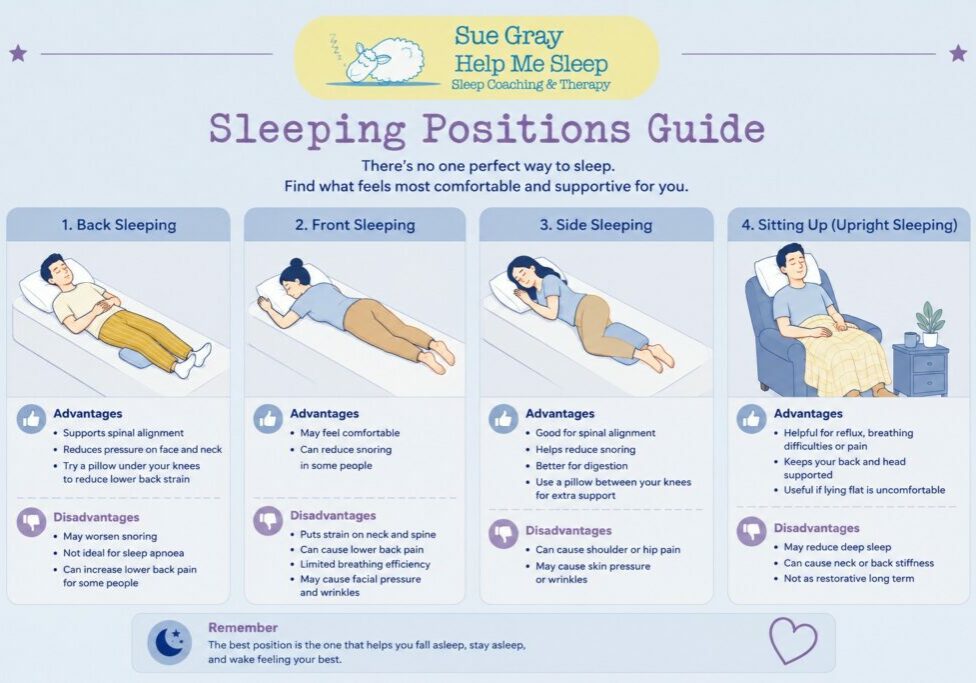


Key Takeaways
- Wool and natural animal fibres can ease aches and pains and help you sleep more comfortably.
- When the body feels warm and supported, it is easier to relax and fall asleep
- What you lie on is just as important as what covers you
- Many people already use wool in everyday jumpers and clothes and superior comfort — the same qualities apply to sleep.
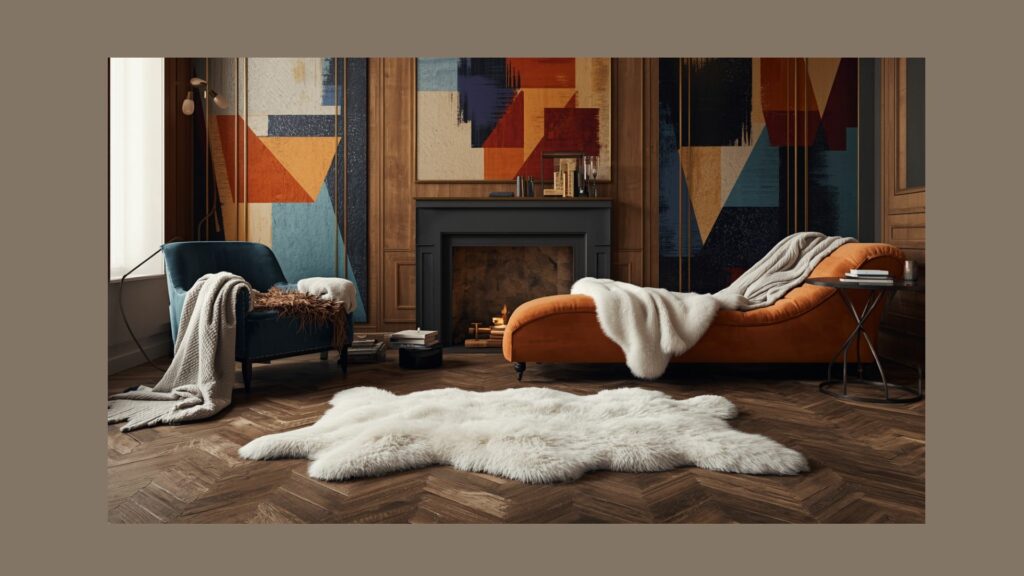
I’ve used wool and camel hair bedding for over 20 years, and I’ve found wool bedding can make a real difference to sleep comfort and aches and pains.
How it helps me
I started using wool bedding when I was dealing with fatigue, aches and pains and needed to be more comfortable at night.
The difference is simple.
I can get comfortable more easily.
I can lie still without constantly adjusting.
My body relaxes into the bed.
And when that happens, the aches ease.
Not because anything is being treated, but because I’m no longer searching for a better position.
I hear the same from clients — once their body gets comfortable, sleep becomes much easier.
Why it helps
Wool and other animal fibres have some very practical qualities.
They help keep you
- warm without overheating,
- don’t feel damp,
- allow air to move,
- soften the surface you’re lying on.
- tend to stay fresh longer
- don’t irritate the skin in the same way synthetics can.
You can feel it.
The bed feels more comfortable, and your body relaxes more easily.
These are the kinds of wool bedding products that make a noticeable difference night after night. In the UK we mainly see wool filled duvets, pillows and under blankets. SOmetimes night dresses and pyjamas.
But if you look at German and Eastern Eurpoean sellers you can find very thick wool or camel hair blankets that are wonderful to just sleep. I air mine in the garden.
Research
There is research behind this as well. Studies have shown that wool bedding can improve sleep quality, reduce movement during the night, and help keep temperature and moisture more stable — all of which support more comfortable, uninterrupted sleep.
If you’re interested in how temperature affects sleep, you can read more here: Why temperature matters for sleep ( to follow).
How I use it
I don’t get on with very heavy duvets.
What works better for me is:
- a lighter wool duvet plus perhaps
- a wool /camel hair blanket
And I always have something wool underneath me. A wool under-blanket — or even a folded blanket — makes a big difference. It softens the bed and makes it much easier to relax.
I talk more about this connection between comfort and sleep here: Pain and sleep: why the body won’t settle.
Something we see in animals
If you put down a sheepskin, animals will usually choose it — it’s warm, dry and comfortable, which is exactly what they look for when they rest.
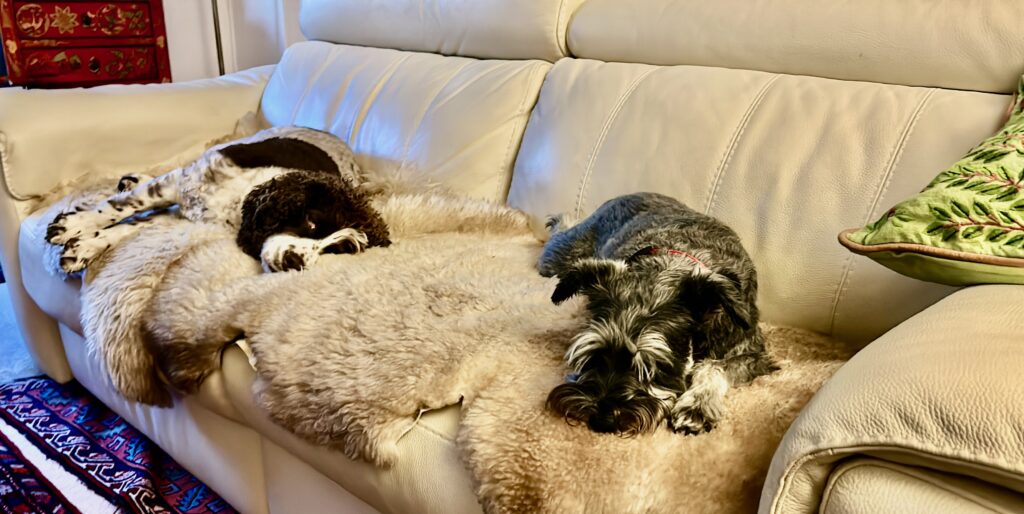
People have always used wool and natural fibres
People have always used wool and other animal fibres for sleep and comfort.
- sheepskins placed under the body
- wool blankets layered for warmth
- fibres wrapped around joints or backs
In Ancient Greece, warmth was seen as part of maintaining health, and cold was linked with stiffness and discomfort.
The Roman writer Pliny the Elder wrote about wool blankets and clothing being used to protect and cover the body, particularly where it was sore or vulnerable.
In colder regions such as Scandinavia, wool blankets and animal skins were used both underneath and over the body, helping people stay warm enough to rest.
And in Arctic communities, people have long relied on animal skins and natural fibres arranged in layers to keep warmth close to the body and create a dry, insulated place to sleep.
More recently, in parts of Eastern and Central Europe, thick wool blankets and under-layers have been used in hospitals and care settings to keep people comfortable and reduce soreness when they are in bed for long periods.
Wool in everyday life
People still choose wool in everyday life without really thinking about it.
Wool base layers are worn for hiking and outdoor activities because they keep you warm and dry.
And people who would never think about wool bedding will often happily use a sheepskin on a car seat because it feels comfortable.
The same qualities apply when you’re trying to sleep.
A simple point
If your body can’t get comfortable, it won’t relax.
And if it doesn’t relax, sleep is difficult.
Sometimes it’s not about doing more breathing and relaxation exercises.
It’s about making the body more comfortable so it can relax and sleep.
It’s simple, but it’s often overlooked.
Explore and sources
- How to Sleep with Pain
- What’s the Best Sleeping Position for You?
- Devon Duvets — wool bedding and temperature regulation
- The Wool Room — wool bedding and sleep comfort
- The Woolmark Company — research on the properties of wool
Final line
Warmth, comfort and support are not luxuries when it comes to sleep. They are an intrinsic part of it.