

Key Takeaways
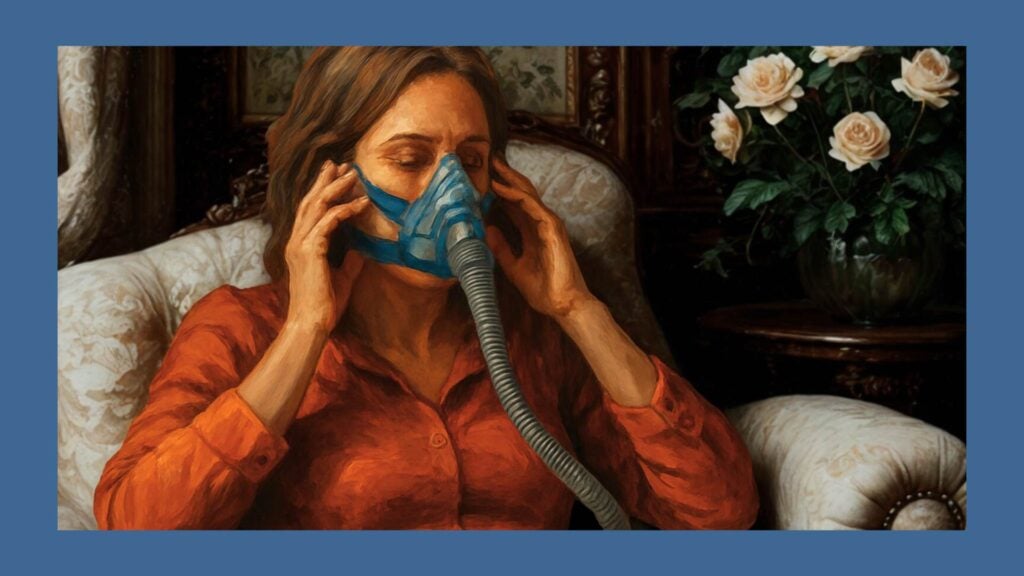
• Many people struggle to sleep with a CPAP machine at first.
• Practising with the mask during the day helps the brain get used to the sensation.
• Taking short naps with the mask on can make it easier to adjust to sleeping with it at night.
• Relaxing and noticing your breathing can help the body settle into sleep.
• Shifting your attention away from the sound of the machine often helps the body relax.
• Reducing alcohol in the evening may improve sleep quality.
• With patience and practice, most people adapt successfully to CPAP treatment.
Introduction
Many people feel relieved when they are finally diagnosed with sleep apnoea and given a CPAP machine. At last there is something that should help them sleep better.
But the reality can be different.
Some people adapt quickly, while others find the mask uncomfortable or the sound of the machine distracting. It can take time for the mind and body to adjust.
While all you want to do is sleep, your mind and body may seem to rebel against that ‘infernal machine‘.
How to get used to the Machine
If you are finding it difficult to sleep with a CPAP machine, you are certainly not alone. With a little patience and the right approach, most people do gradually become comfortable using it.
Here are some simple ideas that may hel
Practise Wearing the Mask During the Day
Rather than trying to sleep with the mask immediately, it can help to become familiar with it during the day.
For example, you might practise wearing the mask while reading, watching television or listening to music.
This allows your brain to get used to the sensation of the mask and airflow without the pressure of trying to fall asleep.
Many people find that this makes it much easier to settle with the machine at night.
Try Short Naps With the Mask On
One idea I often suggest is as well as practicing wearing the CPAP mask during the day, you start to take short naps with it on.
This removes the pressure of trying to sleep through the whole night straight away.
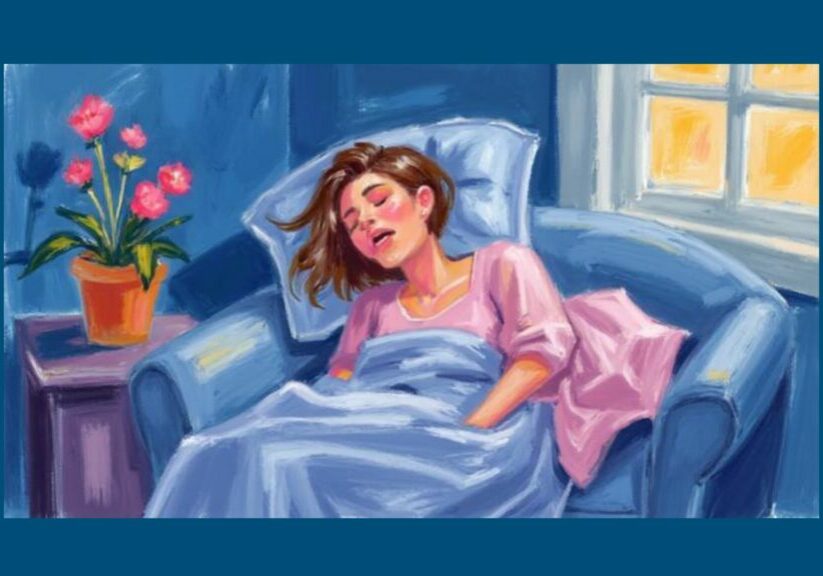
Even lying down or napping in your favourite chair for twenty minutes while wearing the mask helps your brain become familiar with the sensation of the airflow and the feel of the mask.
Many people find that once they have done this a few times, falling asleep with the machine at night becomes much easier.
Relax and Notice Your Breathing
When you first put the mask on, take a few moments to notice your breathing.
Allow the breath to settle into a steady rhythm and let your body relax.
Breathing gently through your nose often helps the body settle and feel more comfortable with the airflow.
Shift Your Attention Away From the Machine
It is very easy to become overly aware of the mask and the sound of the machine.
Instead, try gently shifting your attention to other sounds around you.
You might notice quiet background sounds in the room, or distant sounds outside such as birds or passing traffic.
As your attention moves away from the machine, the body often begins to relax naturally.
Let Go of Irritation or Embarrassment
Some people feel irritated or embarrassed about wearing a mask to sleep.
It can help to remember that many people use different types of medical equipment to support their health.
A CPAP machine simply helps you breathe more easily and sleep more deeply.
Most people find that once they become used to it, the machine fades into the background of their sleep.
Reduce Alcohol in the Evening
Alcohol can worsen breathing problems and cause more frequent awakenings during the night.
Reducing alcohol in the evening often helps people sleep more comfortably with a CPAP machine.
Smoking can also increase swelling in the airway, which may make breathing during sleep more difficult.
Give Yourself Time
Adjusting to a CPAP machine takes time for many people.
It is very common for the first few weeks to feel awkward or frustrating.
With patience and practice, most people gradually become comfortable using the machine and begin to experience much better sleep.
Helping Your Partner Sleep With the Machine
Sleep apnoea often affects partners as well.
Many partners have spent months or even years lying awake listening to snoring or worrying about pauses in breathing during the night.
When a CPAP machine arrives, it can take time for both people to adjust to the new sound in the bedroom.
The good news is that the brain is very good at learning to ignore familiar sounds. Most of us sleep quite happily through things like central heating systems, ticking clocks or distant traffic.
In the same way, it is possible to learn to sleep through the gentle hum of a CPAP machine.
Relaxation techniques and shifting your attention away from the sound can help the brain not only begin to treat the machine as just another background noise, but hear it as a comforting, natural sound. . See my post of Sleeping with a Snorer
Once that happens, most people find they hardly notice it at all.
If you would like more support adjusting to a CPAP machine, you can read more here:
How I Help with Sleep Apnoea
If you would like some help, you can book a free 20-minute discovery call to see whether working together might be useful.
Explore
Struggling to Sleep With a CPAP Machine? A Client Case Study
Sleep Apnoea: Causes, Symptoms and What You Can Do
How to Sleep With a Snorer: Practical Ways to Cope Without Sleeping Apart