

Snoring and poor sleep are closely linked.
Persistent snoring is one of the most common reasons couples struggle to sleep in the same bed and why they suffer with broken, unrefreshing sleep.
“Women don’t snore, we purrrrr.”
“I don’t snore — I dream I’m a motorcycle!”
It’s often treated as a joke.
But if you’re lying awake at 3am listening to what sounds less like a purr and more like heavy machinery, it doesn’t feel funny at all.
If you are exhausted because of your partner’s snoring, you are not overreacting.
And if you are the one snoring, it may be affecting your sleep more than you realise.
How Snoring Disrupts Sleep
Snoring might not wake you up, but it can still disturb your sleep.
You may:
- Wake during the night, sometimes without realising why
- Half wake, aware you’ve snored
- Drift in and out of lighter sleep
- Miss out on deeper, restorative sleep
- Wake feeling unrefreshed
You may technically be asleep — but not sleeping well.
Over time, this kind of disrupted sleep can affect mood, concentration and resilience.
Why Partner Snoring Feels So Disruptive
Snoring is not just noise — it is unpredictable noise.
Even during sleep, part of the brain stays alert.
Irregular sounds can keep triggering that alert system.
This can lead to:
- Repeated awakenings
- Lying tense, waiting for the next burst
- Difficulty falling back asleep
- Growing frustration during the night
Snoring can lead to frustration or even anger — often stronger than you might expect.
In the middle of the night, when you’re tired and repeatedly woken, those feelings can feel quite intense or may seem out of proportion.
That doesn’t mean you’re unreasonable.
It means your nervous system is being repeatedly pulled out of rest.
Why Breathing Matters
Breathing patterns play an important role in snoring.
Mouth breathing is a common contributor, as it creates faster, more turbulent airflow.
Nasal breathing is slower and more stable, and helps support a more settled airway.
Snoring is rarely caused by one single issue.
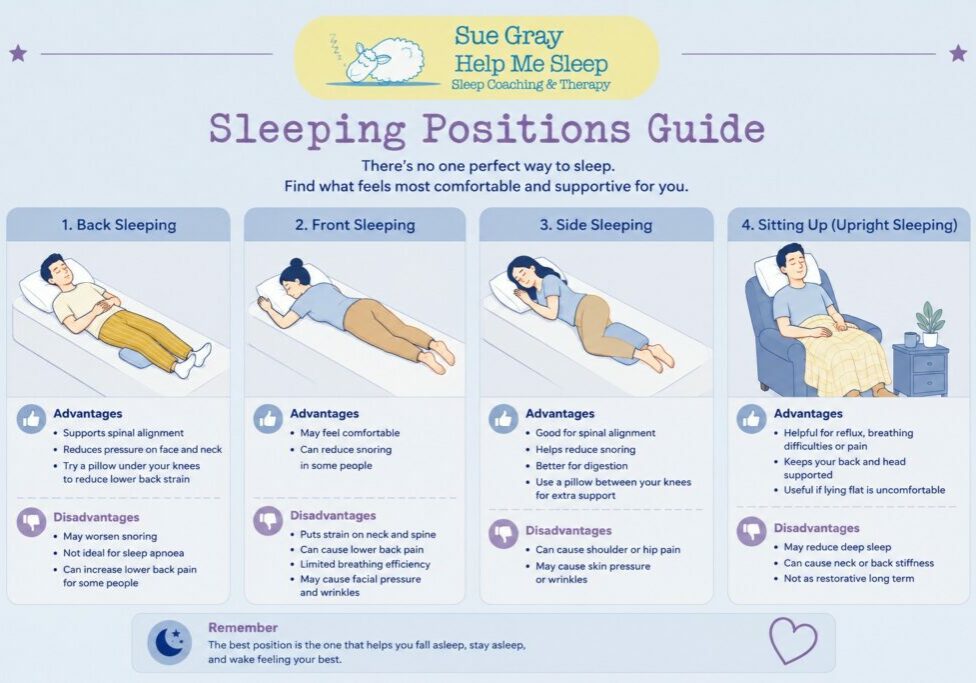
It is usually a combination of breathing, sleep position and how settled your system is at night.
When to Take Snoring Seriously
Occasional snoring is common.
But if it is accompanied by:
- Complaints from your partner
- Feeling tired and unrested
- Pauses in breathing
- Gasping or choking
Then it is time to do something about it
If you or your partner notice pauses in your breathing or gasping, then it is important to speak to your GP to rule out sleep apnoea.
What You Can Do
If snoring is disrupting your sleep, there are practical steps you can take.
👉 Read: How to Stop Snoring
If you are living with a snorer:
👉 Read: How to Sleep With a Snorer
A Final Thought
Snoring can affect both people’s sleep — night after night.
But it is often possible to improve things, once you understand what’s going on and get the help you need.
Explore
How to Sleep With a Snorer
If you are trying to reduce your own snoring:
How to Stop Snoring Naturally
Snoring and sleep quality are closely connected.
It may be common — but that does not mean it should be ignored.
And while we may joke about purring and motorcycles, good sleep is far too important to laugh off entirely.
Explore
The Butterfly Hug can help you calm your mind and body if you wake at night
https://www.nhs.uk/symptoms/snoring
Six Simple Ways to Stop Snoring
How to Sleep With a Snorer: Practical Ways to Cope Without Sleeping Apart